
The Brain–Gut Traffic Lane That Changed My Life
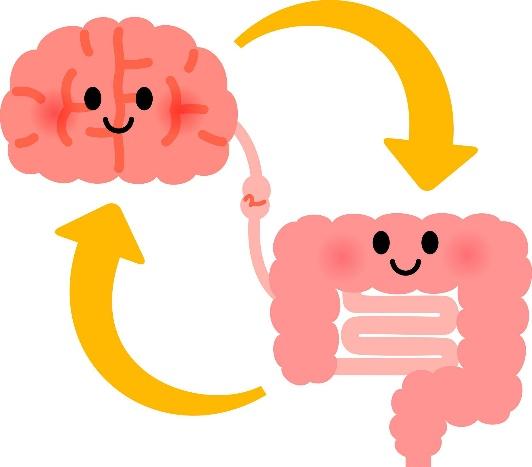
The traffic lane between your brain and your gut.
We hear a lot about how food affects mood. Eat better, feel better. Support your microbiome. Boost serotonin.
All of that matters.
But what I have learned, both professionally and personally, is this:
Your nervous system health may be just as important as what is on your plate.
The brain–gut connection is real physiology, not just a vibe
The “brain–gut axis” (often expanded to include the microbiome) is the communication network between the central nervous system (brain + spinal cord) and the enteric nervous system (the nervous system in your gut), plus immune and hormone pathways.
One of the clearest examples of how “gut and mood” are intertwined is serotonin.
- Around 90% of the body’s serotonin is produced in the gastrointestinal tract, mainly by specialized cells in the gut lining.
- Research also suggests gut microbes can influence serotonin production in the digestive tract.
Serotonin is famous for mood, but in the gut it’s also involved in motility (movement), secretion, and signaling—which is why gut disruption can feel like it affects everything.
Now let’s talk about the other direction: how stress changes the gut
Here’s the part I’m especially passionate about: what happens when your nervous system stays stuck in stress mode.
When stress becomes chronic, it can alter gut function through:
- HPA-axis activation (your stress-response system)
- shifts in cortisol
- changes in gut motility and sensitivity
- effects on inflammation and the microbiome
Scientific reviews describe meaningful links between stress, gut–brain signaling, and conditions like IBS (irritable bowel syndrome), along with a strong need for continued human research to clarify cause-and-effect.
And stress doesn’t just “live in your head.” It can show up metabolically, too. There’s also evidence supporting a relationship between chronic stress and insulin resistance, with proposed mechanisms including inflammation and stress-hormone effects on glucose regulation.
Over time, that chronic stress showed up physically.
My IBS worsened.
I began gaining weight in ways that did not make sense.
I developed insulin resistance.
I felt foggy and emotionally fragile.
As a nurse and educator, I understood the physiology. I knew about cortisol, inflammation, and the stress response. But understanding something intellectually is very different from living inside a dysregulated nervous system.
When your body is stuck in fight or flight, digestion is not the priority. Blood flow shifts. Motility changes. Sensitivity increases. The gut becomes reactive. Research has shown strong links between stress and conditions like IBS, as well as connections between chronic stress and insulin resistance through hormonal and inflammatory pathways.
Looking back, I can clearly see that my body was not failing me.
It was protecting me.
It was doing exactly what a stressed nervous system is designed to do.
As my nervous system began to regulate, something remarkable happened.
My digestion improved.
My mood stabilized.
The brain fog began to lift.
And for the first time in a long time, I had the clarity and energy to truly support my body with better nutrition and movement.
This is where IASIS Microcurrent Neurofeedback became part of my personal healing journey. As my system became calmer, my body responded differently. I was sleeping better. My cravings shifted. My metabolism responded more positively to small changes. My body was no longer fighting me.
When the nervous system is calmer, healthy habits actually have a chance to work.
That was the missing piece for me.
But if you are doing all the “right things” and still feeling stuck, it may not be a willpower problem.
It may be a nervous system problem.
You cannot out-diet a chronically dysregulated stress response.
Sometimes the first step toward better digestion, better metabolic health, and clearer thinking is helping the body feel safe again.
What state is my nervous system in most of the day?
Are you eating in calm?
Or are you eating in survival mode?
Small shifts matter. Slowing down before meals. Breathing intentionally. Supporting vagal tone. Creating moments of safety throughout the day.
And for some people, deeper nervous system support can make all the difference.
At Galenoia Brain Wellness, my passion is helping people move from overwhelm to regulation. Because when the nervous system settles, the body often follows.
With calm comes clarity.
And with clarity, your body can begin to heal in ways you may not have thought possible.
Mayer, E. A. (2011). Gut feelings: The emerging biology of gut–brain communication. Nature Reviews Neuroscience, 12(8), 453–466.
Explains the bidirectional communication between the brain and gastrointestinal system through neural, hormonal, and immune pathways.
Yano, J. M., et al. (2015). Indigenous bacteria from the gut microbiota regulate host serotonin biosynthesis. Cell, 161(2), 264–276.
Demonstrates how gut microbes influence serotonin production in the gastrointestinal tract.
Gershon, M. D., & Tack, J. (2007). The serotonin signaling system: From basic understanding to drug development for functional GI disorders. Gastroenterology, 132(1), 397–414.
Discusses serotonin’s major role in gut motility and digestive regulation.
Moloney, R. D., et al. (2016). Stress and the microbiota–gut–brain axis in visceral pain and irritable bowel syndrome. Journal of Physiology, 594(8), 2029–2041.
Explores how chronic stress affects gut function and contributes to IBS.
Hackett, R. A., & Steptoe, A. (2017). Type 2 diabetes mellitus and psychological stress. Nature Reviews Endocrinology, 13(9), 547–560.
Reviews evidence linking chronic stress, cortisol dysregulation, inflammation, and insulin resistance.
start your healing journey